Our Culture and DISC

A team that works well together starts with understanding each other.

Culture isn’t a pool table or a playlist in the office. It’s how people treat each other when things get hard, how openly they share what they know, and whether they actually enjoy coming to work. At We Do Your Group, we take culture seriously — and one of the tools we use to build and protect it is DISC profiling. Here’s what that means, why we use it, and what you can expect.

What our culture actually looks like

We’re a warm, straight-talking, hard-working team. We don’t do politics, we don’t do blame, and we don’t do the kind of corporate nonsense that makes good people leave good jobs. What we do have is a group of people who genuinely like each other, take their work seriously, and make space for a laugh along the way.

The FAMILY values — Fairness, Accountability, Mentorship, Innovation, Long-term view, and You — aren’t just words on a wall. They shape how we hire, how we manage, how we develop people, and how we handle the difficult moments. If you’ve read the rest of our careers section, you’ll have seen them come up more than once. That’s deliberate.

Day to day, the culture here means:


  • People help each other without being asked
  • Managers are accessible and human, not distant or political
  • Good work is noticed and recognised
  • Problems get fixed, not hidden
  • Banter is real and nobody takes themselves too seriously
  • The Christmas party is genuinely looked forward to — ask Dotty

What is DISC?

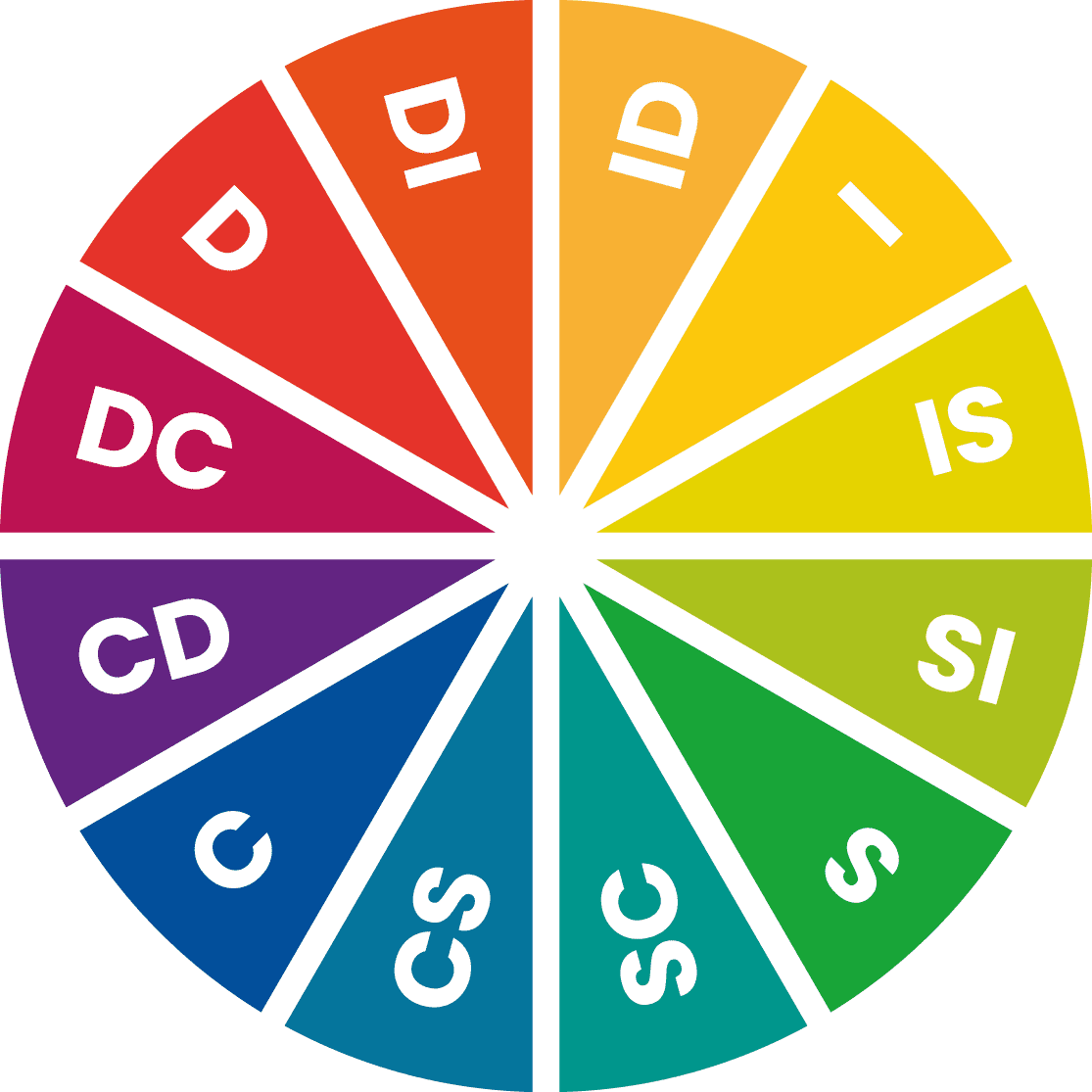
DISC is a behavioural profiling tool used by organisations around the world to understand how people work, communicate, and respond in different situations. It measures four behavioural traits:

D

Dominance

How you respond to problems and challenges. High D people are direct, results-focused, and decisive.

I

Influence

How you respond to and influence people. High I people are enthusiastic, collaborative, and energetic.

S

Steadiness

How you respond to pace and consistency. High S people are patient, reliable, and calm under pressure.

C

Conscientiousness

How you respond to rules and procedures. High C people are analytical, precise, and quality-focused.

Most people are a blend of all four, with one or two that sit higher than the others. Neither combination is better or worse — every profile brings something valuable to a team.

The culture here is something we've built deliberately and carefully. It doesn't happen by accident — it happens because we hire people who share our values, we invest in understanding each other, and we make it everyone's responsibility to keep it that way.

Rob Morrow, Chief Executive Officer (CEO) - We Do Your Group

Why we use DISC

We use DISC because we want to set every person up to succeed from day one — not figure out how they work best six months in.

When we understand your behavioural style before you join, your manager can communicate with you in the way that works for you, support you in the right way when things are tough, and help you get into your stride faster. It also helps us build teams that genuinely complement each other — a mix of styles makes for a stronger, more rounded group.

We don’t use DISC to screen people out. We use it to help people in.

What it is not

It’s worth being clear about what DISC is not, because plenty of people have had bad experiences with personality assessments that were used against them.

DISC is not a pass or fail test — there is no wrong profile and no combination of results that rules you out of a role at WDYG.

DISC does not measure intelligence, capability, or potential. It measures style, not ability.

DISC is not used to put you in a box — it’s a starting point for a conversation, not a label that follows you around.

DISC is not shared beyond the people directly involved in your hiring and onboarding. It is treated confidentially and in line with GDPR.

When you’ll complete it and what happens next

As part of our hiring process, you’ll be asked to complete a DISC profile after your interview — before a final decision is made. It takes around ten to fifteen minutes and there are no right or wrong answers. Just answer honestly and go with your instinct.

Once your profile is complete, we’ll share a summary of your results with you and have a brief conversation about what they mean. This isn’t a grilling — it’s genuinely useful and most people find it interesting. You might learn something about yourself.

Your results inform how we onboard and support you if you join — they don’t determine whether you do.

A note on fit

We’re honest people and this page deserves an honest paragraph.

 While there’s no wrong DISC profile, there are working environments that suit different styles better than others. If your profile suggests you’d find a fast-paced, varied, people-facing environment genuinely draining, it’s better for everyone — including you — to surface that early rather than three months into a role that isn’t right.

That’s not a reason to try and game the assessment. It’s a reason to be yourself when you complete it. The right fit works both ways.

The team behind the culture

Any questions about DISC or our culture?

We’re happy to talk you through it before you apply. Just get in touch.