


A family of businesses. A team that genuinely cares.
What makes We Do Your Group a great place to build a career.
What working here actually feels like, day to day.
Browse current vacancies across all group companies
Our process, step by step — so you know exactly what to expect.
How we invest in the people who join us.
What our culture looks like and how we use DISC profiling.
The story behind the group, the people who built it, and the standards we hold ourselves to.
From a single business to a family of companies — here’s how we got here and where we’re headed.
What we’re building, why we’re building it, and the principle that sits behind everything we do.
Six values that shape how we hire, how we work, and how we look after the people around us.
The people behind the group — from the leadership team to the faces you’ll work with every day.
verified accreditations that give our clients, partners, and team the assurance they deserve.
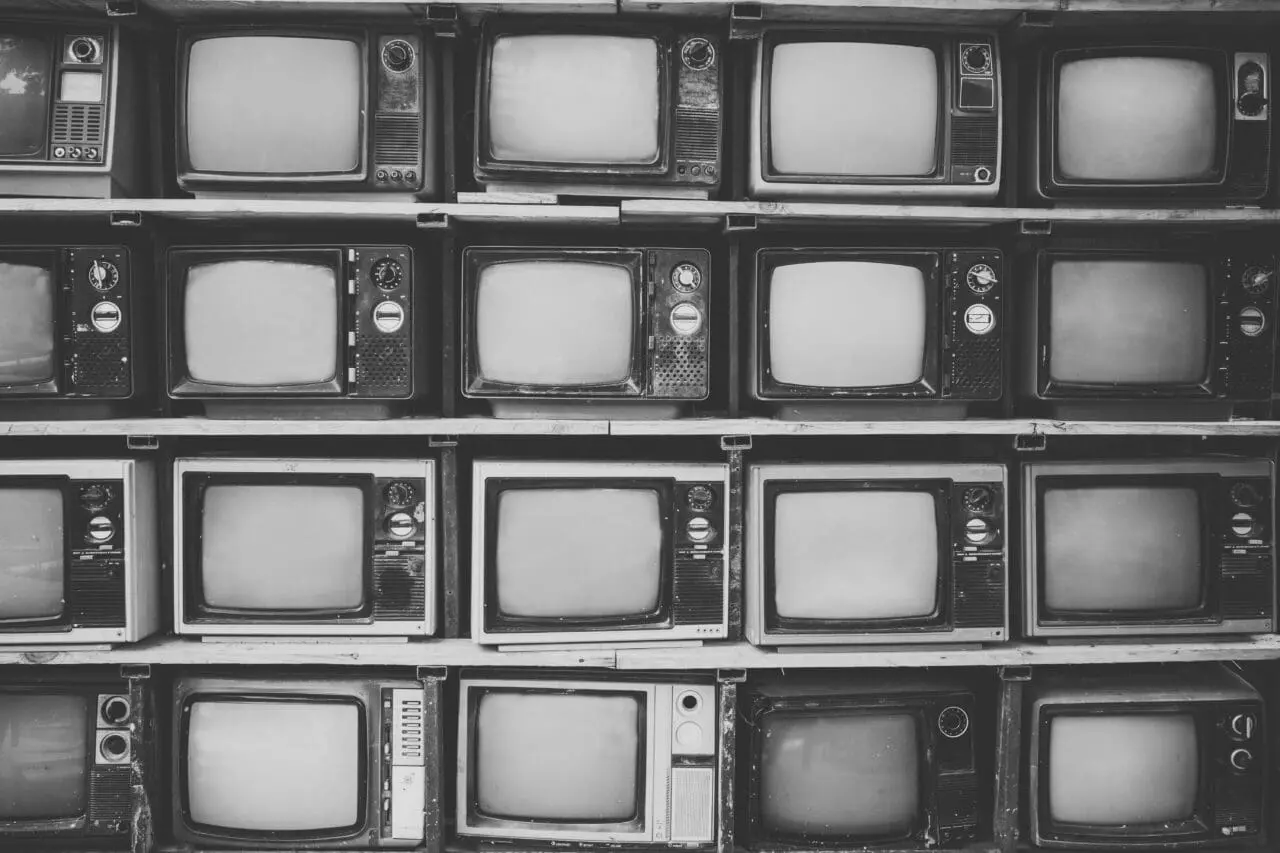
The 2nd of November, 1936, marked a revolutionary shift in mass communication with the BBC’s first televised broadcast. This pioneering endeavour led to an unprecedented evolution of television technology, transitioning from rudimentary black and white screens to advanced high-definition displays and interactive smart TVs, profoundly revolutionising how the world consumes information and entertainment.
In 1936, the BBC took a monumental leap, embarking on an innovative journey with their first structured television programme. This venture transformed the broadcasting landscape, setting a new standard for visual content dissemination. The broadcast, albeit brief, was a testament to the BBC’s vision of pushing technological boundaries to cater to the evolving needs of their audience.
High definition, a phrase once synonymous with the future, became a reality with the inception of these broadcasts. The ability to deliver clear and enriched visual content catalysed the rise in television viewership. It led to a significant shift in consumer preferences, ushering in a new era where clarity and detail were paramount.
The transformation of television from black and white to colour was a game-changer, breathing life into visual storytelling. It allowed viewers to experience a vivid and immersive viewing experience, challenging the status quo and redefining the television viewing paradigm.
The creation of the first BBC television programme involved rigorous planning and implementation of ground-breaking technology. It was a blend of creativity, technical prowess, and relentless commitment towards redefining the broadcasting arena.
With the introduction of regular television broadcasts, the television found its place as the central piece in many households. It became the go-to source for news, entertainment, and education, boasting an unmatched convenience and diversity of content, thus cementing its place as an integral part of 20th Century life.
The BBC’s pioneering endeavours played a crucial role in shaping modern television standards and practices. From setting the bar for quality content to embracing innovative technology, the BBC has consistently led the industry, influencing practices and standards globally.
From the initial broadcasts of 1936 to the present day, television programmes have evolved dramatically. The range of content available has vastly expanded, catering to diverse tastes and demographics. Moreover, the advent of on-demand viewing and streaming platforms are testaments to how far we’ve come since the first scheduled programmes.
The BBC’s pioneering role in television broadcasting broke barriers, paving the way for broadcasters worldwide. By demonstrating the potential of televised programming, opportunities for innovation and growth in the industry were created. Today, the legacy continues as broadcasters strive to push boundaries, continually resetting the bar set high by the BBC in 1936.
This website uses cookies to improve your experience. Choose what you're happy with.
Required for the site to function and can't be switched off.
Help us improve the website. Turn on if you agree.
Used for ads and personalisation. Turn on if you agree.
This website uses cookies to improve your experience. Choose what you're happy with.
Required for the site to function and can't be switched off.
Help us improve the website. Turn on if you agree.
Used for ads and personalisation. Turn on if you agree.